July 21, 2025
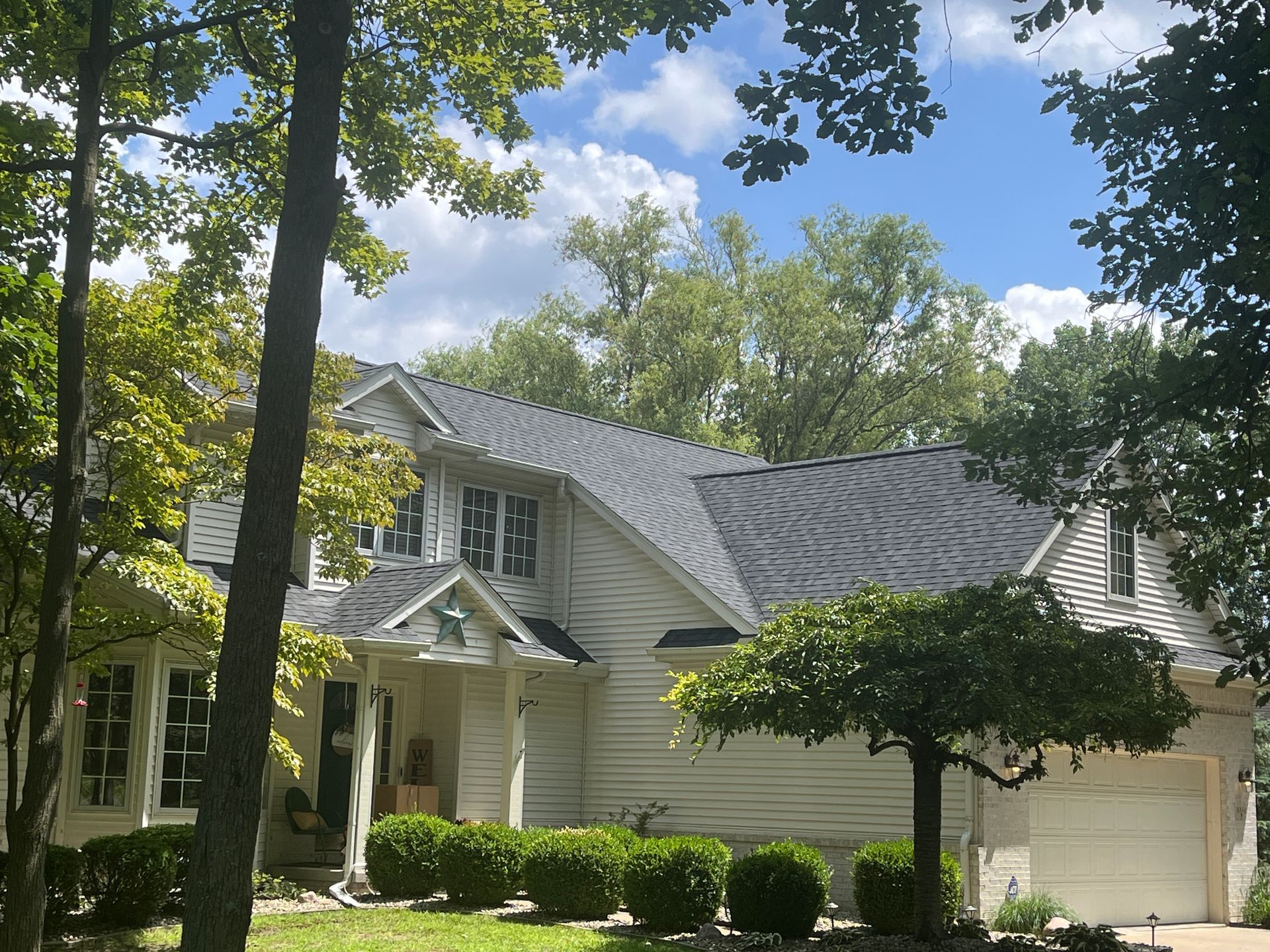
Have you ever felt as though roofers have their own language? As a specialized trade, it’s not an exaggeration to admit that we often do! With this in mind, it is important that homeowners familiarize themselves with some commonly used roofing terminology to ensure that nothing is “lost in translation” in their next run in with a contractor, estimator, or foreman. Being well versed in some basic roofing terms enables informed decision making, allows for better evaluation of roofing estimates, helps you to identify issues early on, and overall protects your investment on your home and roof. Here is the Anatomy of a Roof according to Owens Corning, see diagram here ! Roof Ridge: The intersection of two sides of the roof, creating a high point on the roof (also called the peak). Ridge Vent: A vent that runs along the roof ridge which allows for humid air to escape from your home’s attic and facilitates proper ventilation. Hip: The intersection of two sides of a roof that form a slope from the ridge to the eave. It is similar to the ridge but instead of forming at the highest point of the roof, the hip slopes downward instead of horizontally. Valley: An intersection of two roof planes that create a v-shaped angle and is designed to help with water runoff. Roof Deck: The structural foundation for the roof. The deck is commonly made of plywood. Roofing Underlayment: A material layer, usually of felt or synthetic underlayment, that sits between the decking and shingles and acts like an additional layer of protection. Synthetic underlayment does an excellent job at repelling moisture in comparison to felt and is much more durable. Flashing: Placed around joints, surrounding chimneys, and any other fixtures and helps to protect against water damage. Flashing is a metal material. Shingle: Asphalt shingles are made of multiple tabs to not only add dimension but durability to your roof. Shingles make up the top layer of your roof and are the first line of defense against the elements. Drip Edge: A small piece of metal that is installed near the rake and eave and helps with water runoff. Rake: The rake (sometimes called a gable) is the triangular section of the exterior wall at the peak of the roof between an eave and the roof Eave: Lower board of roof that overhangs the exterior walls. Ice and Water Barrier: Waterproof material that is installed along eaves, valleys, side walls, etc. to protect against water damage. Roof Slope: The steepness of a roof. Most commonly expressed as the ratio of the vertical rise over horizontal run. Roof Pitch: Very similar to roof slope except the pitch is calculated using the entire span of the roof (its width) while slope can be calculated using only a small section. The pitch of a roof is exclusively a roofing term and is used more often than slope. Roof Square: A roofing square refers to 100 square feet of roof area. It is a standard unit used in the roofing industry and by roofing contractors to simplify calculations and material estimates. Buckling: A visual sign of roof damage or aging characterized by the wrinkling or curling of shingles. Now that you are familiar with the basics of roofing, feel free to use this blog as your future reference for when you come across a term you’re unfamiliar with. This blog post was inspired by Owens Corning and their blog article on the anatomy of a roof. Is there a roofing term you think should be on this list? Let us know in the comments and we will be sure to update the page!