EPDM Roofing Explained: What To Know
PROS AND CONS OF EPDM ROOFS
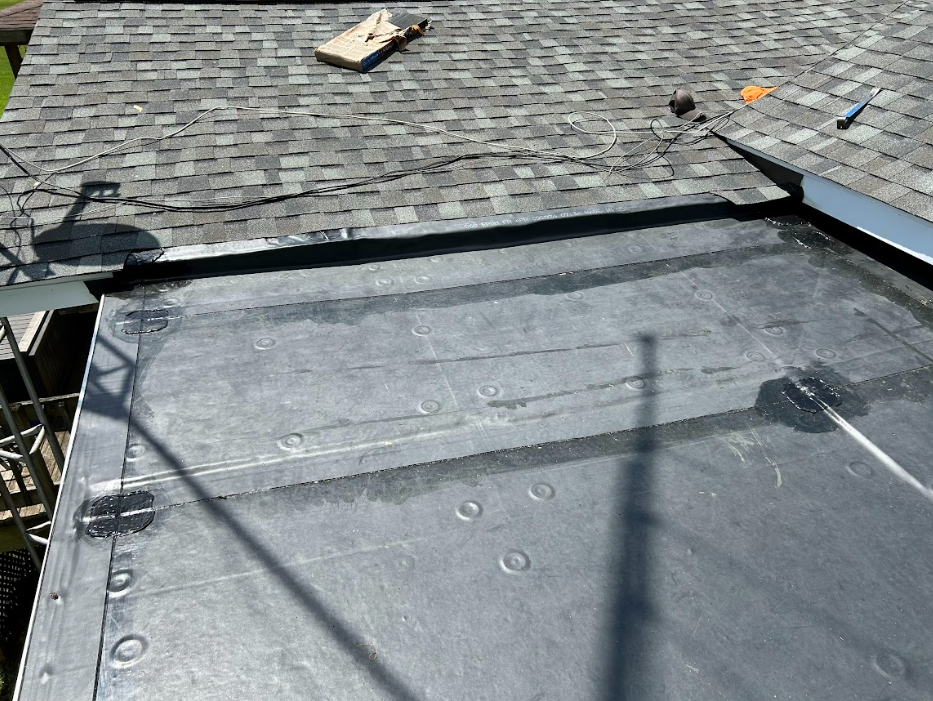
We are proud to offer a wide selection of roofing materials to choose from at T-J Roofing! However, we know that choosing the best materials for your next roofing project can be a daunting decision at times. Considering this, we decided to start a mini blog series explaining the roofing systems we install and the associated advantages and disadvantages with each to help our customers make the best choice for their homes, businesses, and properties. To start off this mini series is the EPDM Rubber Roof Membrane.
Ethylene Propylene Diene Terpolymer, frequently referred to as
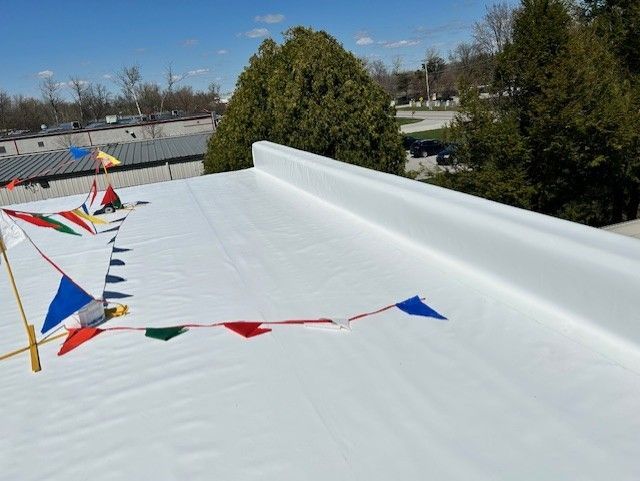
EPDM, is a single layer rubber roof membrane known best for its compatibility with low-slope and flat roofs. This material is typically manufactured in 45 - 91 millimeter thicknesses and 7.5 - 50 foot widths. They are then rolled into sheets making them much easier to install compared to other forms of material. EPDM rubber membranes can be installed in three distinct ways: fully adhered, mechanically fastened, or ballasted. Determining which of these methods is best suited for your project depends primarily on personal price range and the building's structural requirements.
Now let's discuss the benefits of selecting an EPDM roof system. For starters, it’s one of the most cost effective materials on the market typically retailing several dollars less per sq.ft. than PVC (Polyvinyl Chloride) for example. It also stands out for its longevity – lasting for around 30 - 40 years, sometimes exceeding this when it is installed correctly and receives consistent maintenance. It is suitable for both complex or simple roof shapes and structures because of how flexible the material is. Additionally, EPDM is virtually leak proof, wind and hail resistant (even in freezing temperatures), UV ray resistant, has flame retardant properties, and is 100% recyclable making it a great sustainable option.
However, like all materials there are always costs to consider with EPDM. First and foremost, the appeal of the rubber roof membrane is not its aesthetics but rather its functionality. From higher vantage points the roof system can look bland, so if curb appeal is your reason for a new roof installation we recommend you consider our other options available. Another fact to consider is the maintenance required for non-reinforced EPDM membranes, which is important to avoid bridging or shrinkage caused by aging. Lastly while EPDM is marketed as a more economical option, customers should note the varying prices of the three installation methods. For example, a fully adhered roof will cost more than a ballasted one.
All that being said, when you choose to do business with T-J Roofing we strive for quality workmanship and transparency which is why we are proud to say we are certified to install Versico roofing systems (EPDM, PVC, TPO, etc). This not only demonstrates our extensive experience working with these roofing membranes but also allows us to provide material warranties on the projects we complete. If you are interested in an EPDM Rubber Roof or have related questions be sure to give our office a call!
Websites used during our research:
reliable-roofing.com,
epdmroofs.org,
Versico.com