Modified Bitumen Roofing Explained: What To Know
PROS AND CONS OF MODIFIED BITUMEN ROOFS
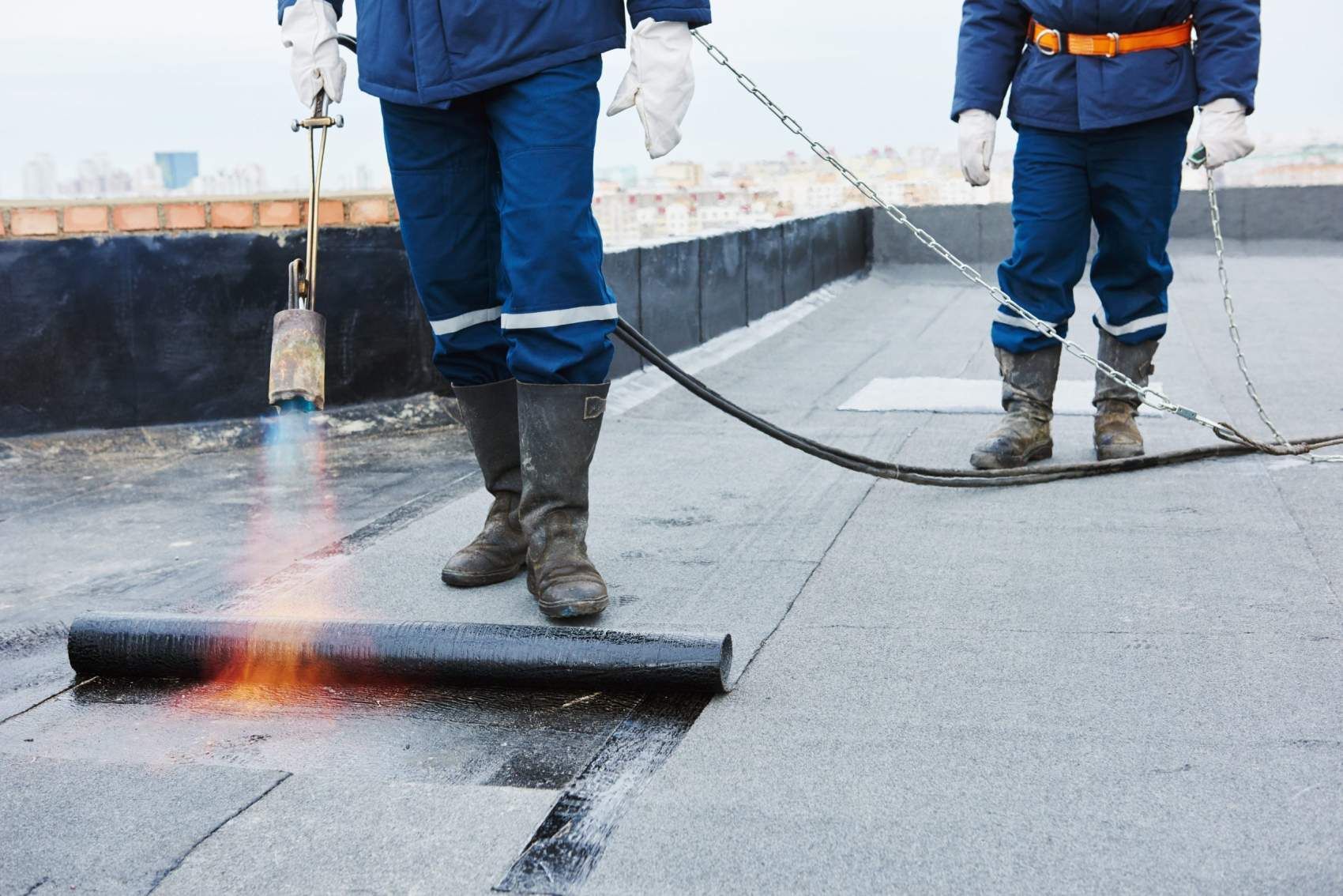
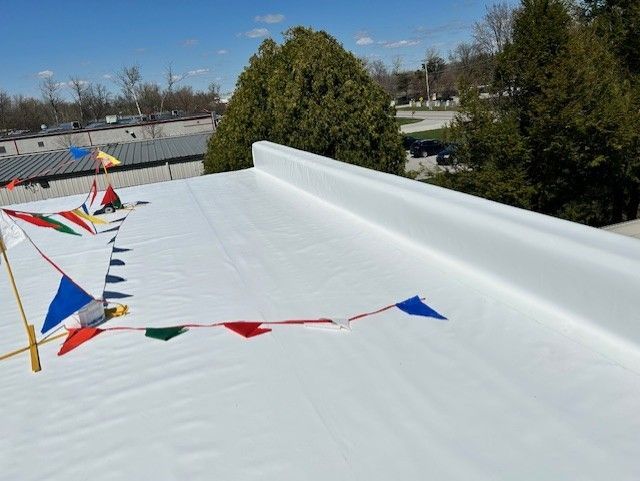
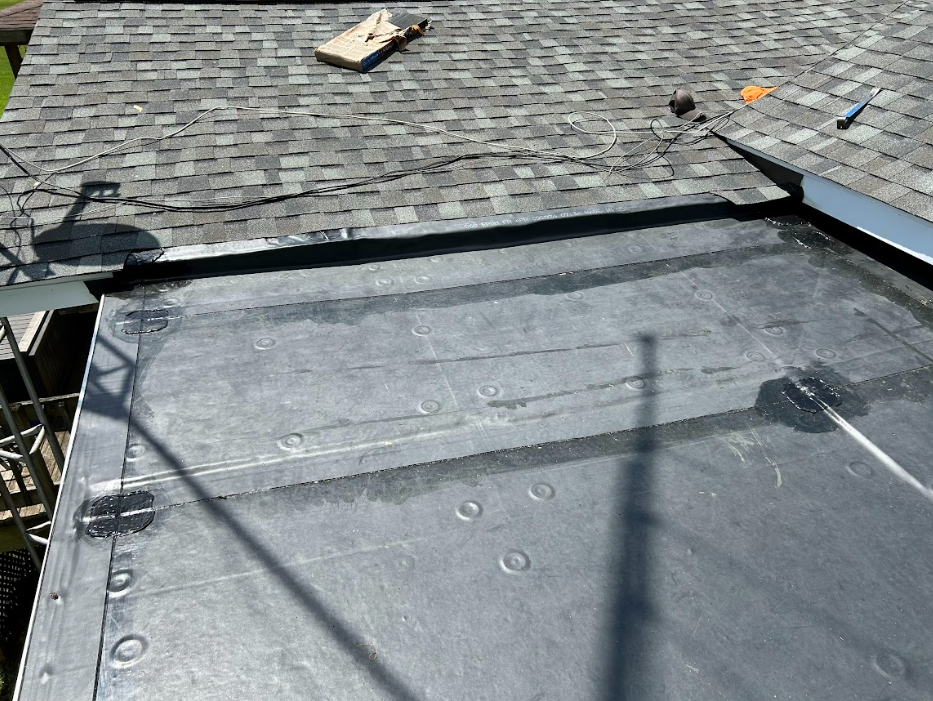
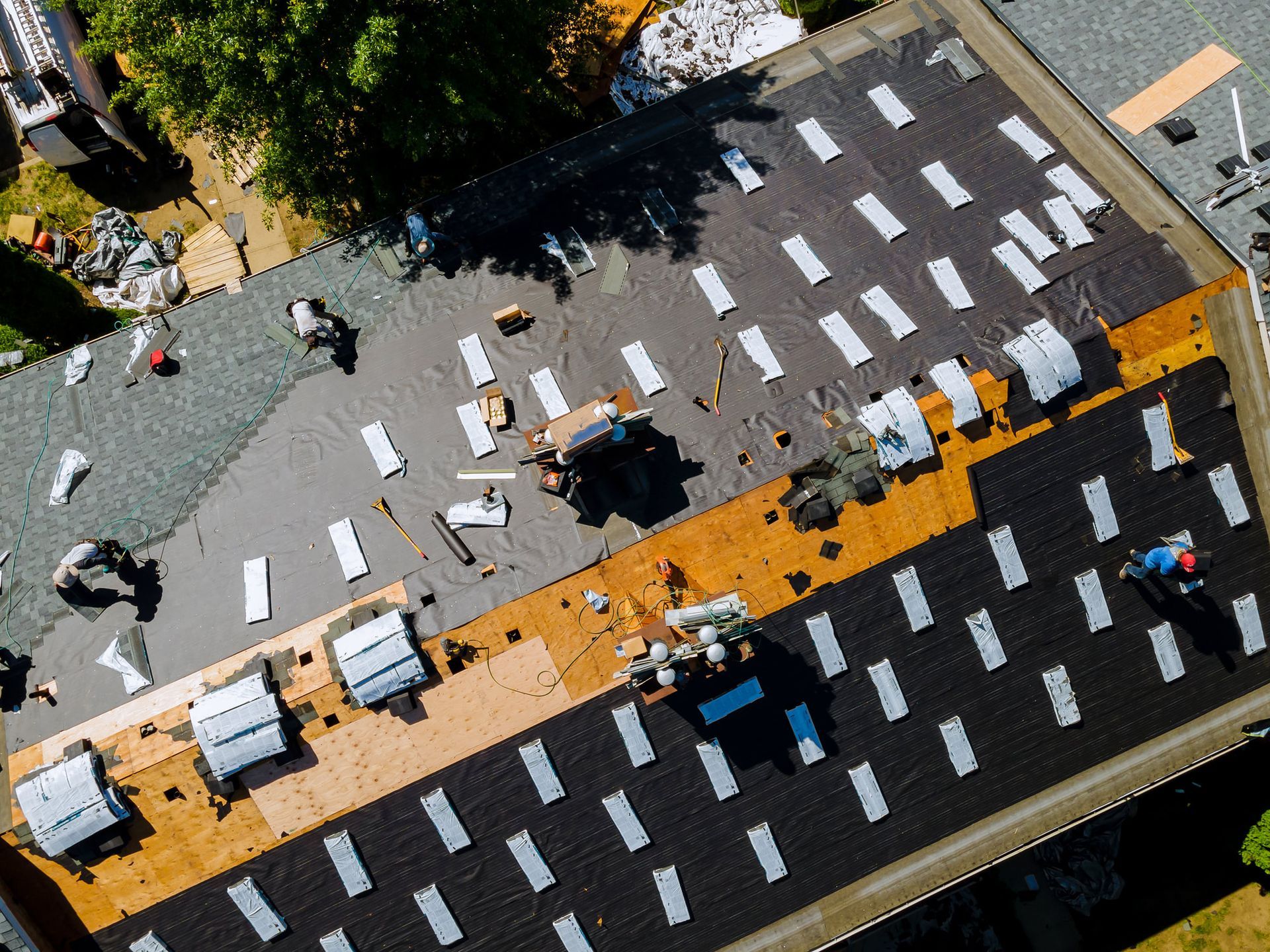
The newest addition to our blog mini series is the Modified Bitumen roof! Originally developed to improve upon the existing built-up roofing systems, Mod Bit roofs are much more popular today. It's a hybrid system of an asphalt membrane and polymerized rubber or plastic that is reinforced with fiberglass. It is primarily used for commercial flat or low slope roofs and is well liked for its durability and multi-layer protection from the elements.
- The added benefits of a modified bitumen roofing system include:
- High level of durability and resistance to punctures or tears caused by wind debris
- High level of waterproofing
- Energy Efficiency; reducing energy costs
Furthermore, the Modified Bitumen system can be installed using two different methods. The first being the peel and stick installation which is much more economical but at the same time less effective in protecting the structure from leaks. The second method is to apply the roof using the torch down method which requires professional installation as the roof system is adhered directly to the underlay. Something else to consider with these roofs is that they come in two distinct types of membranes, Atactic Polypropylene (APP) and Styrene Butadiene Styrene (SBS). Typically, APP works great at helping with water runoff due to its plastic-like material while SBS is the more versatile option due to its material elasticity.
As always, there are some important things to consider aside from the forefront benefits of a modified bitumen roof:
- Lifespan is typically around 20 years
- Installation process often produces strong chemical odors and fumes
Modified Bitumen roofs are still highly popular in the commercial roofing sector and at T-J Roofing we are proud to service repair work on these systems and on some occasions even install them. If you are interested in this type of roofing system call our office today!