Thermoplastic Roofing Explained: What To Know
PROS AND CONS OF TPO & PVC ROOFS
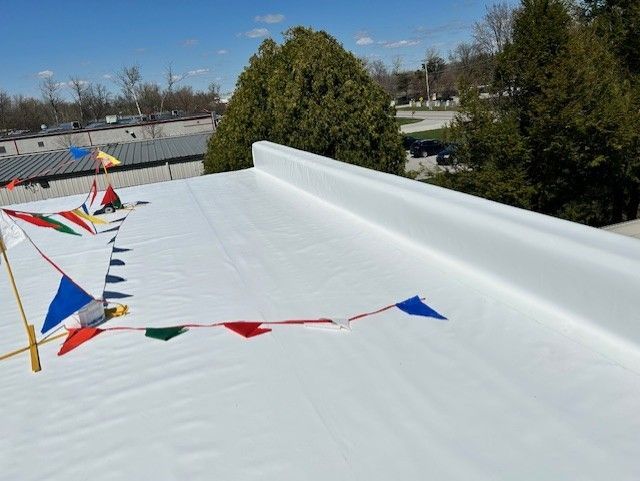
Next up in our blog mini series are Thermoplastic Roofing systems! The two most commonly used materials are Polyvinyl Chloride (PVC) and Thermoplastic Polyolefin (TPO) which are popular with low slope or flat roof commercial buildings. For many property owners, distinguishing between the benefits and costs associated with each system can be difficult, which is why we are here to help break it down for those interested.
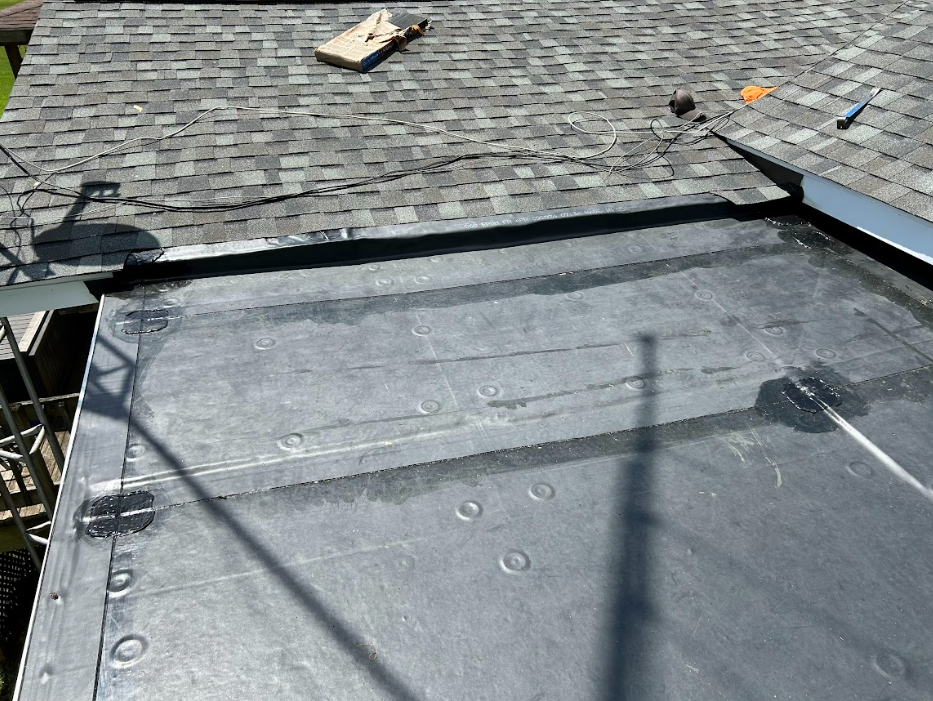
TPO is a single ply membrane manufactured as a composite of a polymer base layer, scrim core, and top film layer fused together to provide durability and make installation a breeze for contractors. Because T-J roofing is certified to install these roofs in compliance with Versico Roofing Systems' specs, we can install TPO fully adhered, mechanically fastened, induction welded, vent secured, and rapid locked. Its durable, known for its resistance to heat, UV rays, and mold growth making it a great low maintenance choice. Other benefits include affordability in comparison to other materials, versatility, efficient installation, its ability to decrease energy costs, and being 100% recyclable.
While all these things are great it should be taken into consideration that the quality of TPO systems often varies depending on the manufacturer. However you can rest easy knowing that T-J Roofing partners with Versico Roofing System to deliver quality roofs while adhereing to their methods of installation, effectively reducing the risk of future leaks, shrinkage, water pooling and seam problems.
PVC is similar to TPO in many ways; it's a single ply composite of three layers, made of durable material, resistant to extreme weather, great for low slope buildings and energy efficient yet, it also stands out on its own in many ways. In comparison PVC is longer lasting, outliving TPO with a lifespan of 20-30 years. In addition to its durability against the elements it is also chemical resistant, making it an excellent choice for restaurants and manufacturing businesses that have frequent exposure to chemicals. Additionally, following Versico Roofing System's specs it can be installed in three methods, fully adhered, mechanically fastened, and induction welded.
On the other hand PVC is quite pricey compared to TPO and EPDM and like all roofing systems, requires professional installations to keep its annual maintenance minimal and to avoid long term issues (leaks, shrinkage, waterpooling, & seam problems). Additionally, if sustainability is a deal breaker for you and your property, PVC falls short due to being manufactured from from fossil fuels (just like TPO). However, it can still be recycled at the end of its lifespan if you choose to do so.
All things considered, Thermoplastic roofing systems are excellent options for your next commercial reroof project. They offer a variety of benefits that in our eyes, outweigh their respective costs. If you have any questions regarding which choice is the best for you, call or email our office today!
Websites used in our research: Versico.com & Reliable-Roofing.com